Line Manager for Designers · Leeroy
Managing the design team through the shift from UX Designers to Product Designers, crafting the design and leading the product development
As UX Design Manager at Leeroy, I was the line manager for the design team: the UX designers who, during my time, became Product Designers. Once the core of the platform was in place and our products were used by several customers, the focus moved to improving them and adding new functionality, driven by product discovery with customers and users. The designers took over the Product Owner responsibilities: they ran UX discovery, framed the problem for new or improved user experiences, owned the backlog planning and prioritisation in their product teams, and delivered development-ready design for the developers to build. They worked closely with the Product Managers, who were responsible for product discovery and the roadmap themes. I contributed to the shift, and as line manager I gave the designers what they needed: shared product design work, time to improve the design system, one design process, design critique, retros, skills development and hiring.
- My role
- UX Design Manager, line manager for the design team, responsible for the overall user experience across all products
- Year
- 2017–2021
- Line manager for
- The UX designers, after the shift called Product Designers
- User groups and products
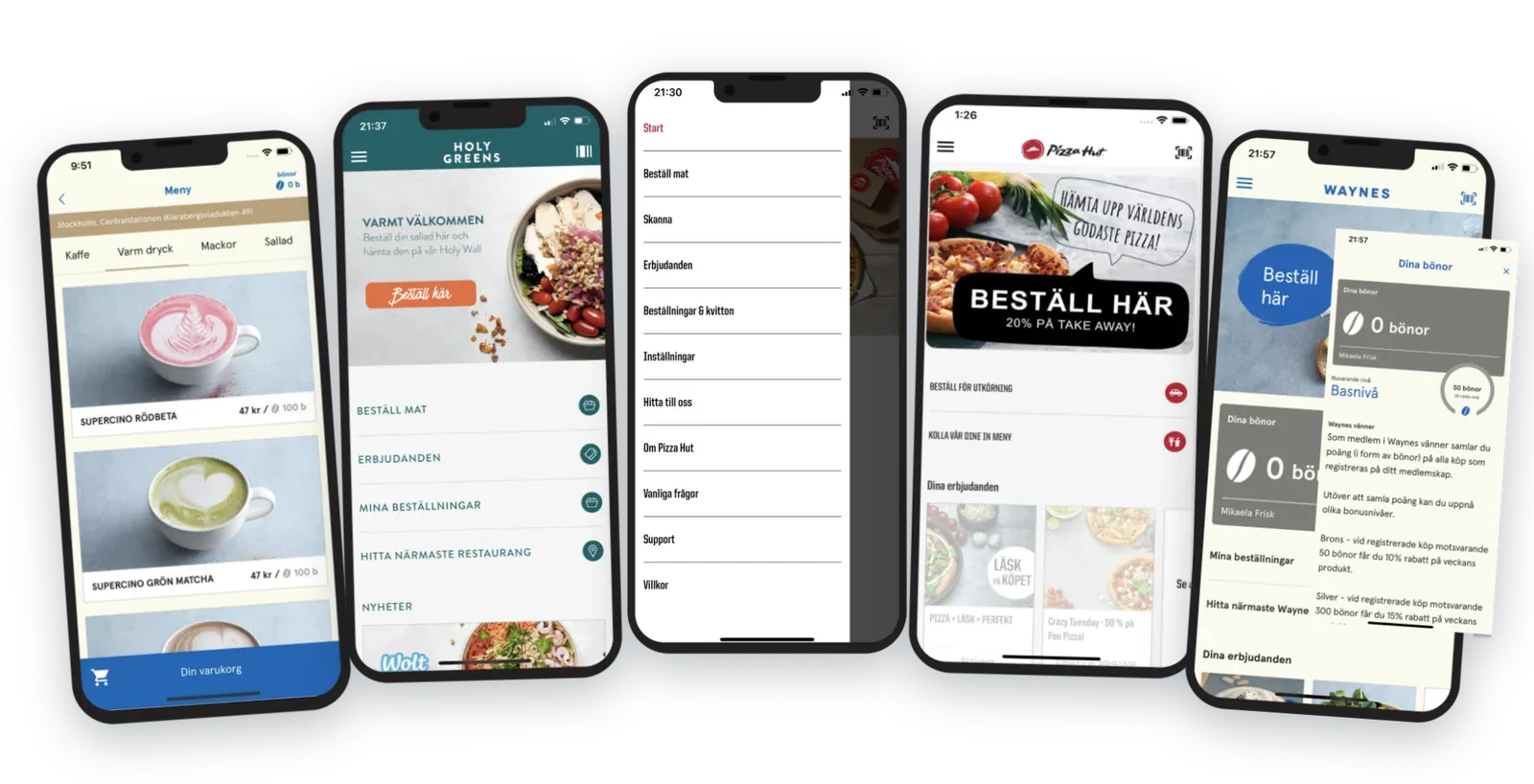
- Diners: the mobile ordering and loyalty app, and the self-service ordering kiosks. Restaurant staff: the POS and the kitchen apps. Restaurant owners and administrators: the POS back office
- Team
- Product designers, one in each cross-functional product team, working as one design team
- Company
- Leeroy Group
- Methods
- User research, service blueprint, opportunity mapping, human-centred design process, design critique, design principles, interaction patterns and a UI component library
- Tools
- Sketch

From UX Designers to Product Designers
At Leeroy, I was the line manager for the design team: one designer in each cross-functional product team, working together as one design team.
While the core of the product platform was being built, the designers had typical UX/UI design responsibilities. Once the core was in place, and our products were out and used by several customers, the important work became improving them and adding new functionality, driven by product discovery with customers and users.
- Typical design craft, from ideas to development-ready design
- Designing the core products, while the platform was built
- Product Owners owned the backlog
- Running UX discovery, and framing the problem for new or improved user experiences
- Development-ready design for the developers to build
- Owning the backlog planning and prioritisation with the team
A new split of responsibilities
The UX/UI designers became Product Designers, taking over the Product Owner responsibilities. They ran UX discovery and framed the problem for new or improved user experiences, owned the backlog planning and prioritisation together with their product team, and delivered development-ready design for the developers to build. They worked closely with the Product Managers, who were responsible for product discovery and the roadmap themes.
I contributed to the shift. My core responsibility was to be the line manager for the designers, before and after it, and to make sure they could grow into the new role.
- Product discovery with customers and users
- The roadmap and its themes
- Align user and business needs
- Run UX discovery and frame the problem
- Backlog planning and prioritisation with the team
- Development-ready design for the developers
- Work closely with the product manager
- Shared product design work
- The design system and the design process
- Skills, retros and design critique
- Hiring, and the everyday line manager work
Leading the design team as line manager
Each product designer was part of a cross-functional product team, and was responsible for customer and user needs, and the backlog planning and prioritisation together with the team. As their line manager, I made sure that apart from the product development, they had time to continuously improve the design system, and that we kept following our design process. I also handled hiring and the other everyday responsibilities of a line manager.
- Design process
- Way of working
- UI component library
- Consistency between products
- Design critique
- Design principles
- UX discovery
- UX discovery, and framing the problem
- Backlog planning and prioritisation with the team
- User flows, prototypes and testing with users
- Development-ready design for the developers
- UX discovery, and framing the problem
- Backlog planning and prioritisation with the team
- User flows, prototypes and testing with users
- Development-ready design for the developers
Here I was also the Product Manager: discovery, roadmap and priorities
- UX discovery, and framing the problem
- Backlog planning and prioritisation with the team
- User flows, prototypes and testing with users
- Development-ready design for the developers
My responsibilities as line manager
Shared product design work
The work no single product team owned: the overall experience, and the parts shared between products.
Design system
Time for the designers to continuously improve the design system, alongside the product development.
Design process
Making sure we kept following one design process, from discovery to delivery.
Skills and coaching
Developing each designer’s craft, and supporting them in their new responsibilities for user needs and the backlog.
Retros and design critique
Regular retros, and design critique where designers showed their work early and learned from each other.
Hiring and capacity
Recruiting designers, and aligning design capacity with the product managers when priorities shifted.
Creating a shared view of the experience
With decisions made inside each product team, the teams needed a shared view of the whole service. We made one service blueprint for all users and all products on the restaurant platform, front stage and backstage, from the moment a diner decides where to eat, through the visit, to coming back. I led the work and mapped it hands-on together with the designers.
It made the dependencies visible to every team. Points promised in the app only work if the till recognises the member. A “ready” notification only works if the kitchen marks the order on its display. With the blueprint in front of them, the product teams could make better decisions together, also about the parts they did not own.
Finding pains and needs with insights from research
- Insights placed where they happenedInsights from the interviews, observations and co-creation workshops with the three restaurant chains were placed on the phase and the user group they belonged to.
- Marked as pains or needs, big and smallEach insight was marked as a pain or a need, so we could see where the service worked and where it broke down for someone. Some were big gaps between products. Many were smaller UX pains inside one step, that the product team could solve in its own flow.
- Gaps between front stage and backstageMany pains were not inside one product, but between two: a promise in the app that the till or the kitchen could not keep.
- From pains to an opportunity mapBig gaps between products became roadmap opportunities, prioritised with the product owners of the teams they touched. Small UX pains became improvements in each team’s own flow and backlog.
- Patterns across productsSmall pains that came back in several channels or products were clustered into patterns, such as speed and clarity in the rush. They became shared solutions in the design principles, interaction patterns and UI component library, instead of being solved once per product.
Scroll sideways to see the whole blueprint.
Connecting discovery to product direction
The product managers were responsible for product discovery and the roadmap themes. The pains, needs and opportunities on the service blueprint, from the designers’ work with customer and user needs, fed the product roadmaps ahead, for every product team.
They were never the only input. Sales brought what restaurant chains asked for. Technology brought the integrations, platform work and quality that had to be in place. Leaders at Leeroy brought the business goals and the direction for the platform. Together with the product managers, we weighed it all against each other: user value, business value and technical effort.
My part was to keep customers and users visible in that balance. An opportunity with a clear pain behind it, placed where it happened in the service, was easier to prioritise than an opinion, and it often answered a sales or business need at the same time.
- User value
- Business value
- Technical effort
Scaling design quality across teams
With more decisions made inside each product team, shared standards kept the experience connected. Instead of approving every design, I made sure the designers had what they needed to decide well on their own.
One design process, and design critique
Every product team worked by the same design process, from discovery to delivery, so designers could understand each other’s work and step in for each other. Regular design critique was where they saw each other’s work, kept the products consistent and learned from each other.
- 1DiscoverResearch with customers and users, and their needs and pains.
- 2DefineOpportunities, user flows and what to solve first.
- 3DesignConcepts and prototypes, shared early.
- 4TestWith users, before anything is built.
- 5DeliverDevelopment-ready UI, followed up with the team.
Show work early
Designers brought sketches and prototypes, not finished screens, while there was still time to change direction.
Start from the user and the goal
Feedback began with who the design was for and what it should achieve, not with taste.
Specific and kind
Concrete, respectful feedback that the designer could act on.
Eyes from other products
Designers from the other product teams spotted where a flow broke a pattern, or touched their product.
Design principles for every product
From the research, we developed design principles for every product together: the designers, the product teams and I. Each product had its own users and context, so each got its own principles. They gave the product designers the confidence to make decisions within their teams, without having to ask every time.
- The mobile ordering and loyalty app, and the self-service ordering kiosksDiners
- The brand comes first: the app is the restaurant’s, not ours
- Order in a few taps
- Always know the status of the order
- One membership in the app and at the till
- The POS and the kitchen appsRestaurant staff
- Fast in the rush: the most common orders in the fewest taps
- Large touch targets, readable at a glance and from a distance
- Orders from every channel in one place, in the right order
- One tap to mark an order ready
- The POS back officeRestaurant owners and administrators
- Set it once, use it everywhere: products, prices and menus for the POS, the app and self-service ordering
- See every venue and sales channel at a glance
- Safe to change, with a clear view of what goes live where
Shared patterns and one UI component library
The products had very different users and contexts: a diner on a phone, an owner at a desk, staff at a busy till, a waiter at the table, a kitchen in the rush. Shared interaction patterns and a common UI component library gave them one consistent experience, and each product adapted them to its users. The apps were built on the native iOS and Android components, and our library added the shared patterns on top, with each restaurant brand bringing its own theme.
Outcomes and learnings
The shift changed how product development worked at Leeroy, for the designers, the product teams and the experience across the platform.
What changed
Designers who frame the problem and own the backlog
Product designers ran UX discovery, framed the problem for new or improved experiences, owned the backlog planning and prioritisation in their teams, and delivered development-ready design.
Product managers focused on discovery and the roadmap
With the backlog owned by the product designers, the product managers could focus on product discovery and the roadmap themes.
Decisions closer to the work
Decisions about the experience were made inside each product team, guided by shared design principles instead of approvals.
One connected experience
One service blueprint, one design process and one UI component library kept the products consistent for diners, restaurant staff and owners.
Learnings
Looking back, five things stay with me from leading the design team, and the shift to Product Designers, at Leeroy.
Role clarity comes before autonomy
Moving responsibility from product owners to product designers only worked when everyone knew who decided what. Making the split explicit, with product discovery and the roadmap themes for the product managers, and user needs and the backlog for the product designers, made it easier for the designers to step up.
A bigger role needs support
Owning a backlog and its priorities is a stretch for a designer. As line manager, coaching the designers in their new responsibilities, not only in the craft, mattered as much as the new model itself.
Designers need two homes
Each designer belonged to a cross-functional product team, and that is where they felt ownership. But designers in separate teams easily drift apart. Shared critique, one design process, and shared interaction patterns and UI components gave them a second home in the design team. Both homes mattered: one for owning a product, the other for growing in the craft and keeping the platform consistent.
Principles scale better than approvals
As the products and the team grew, I could not look at every design decision myself, and I should not have to. Design principles for each user group, shared interaction patterns and a common UI component library let the designers decide well on their own. Leading the design team became more about setting direction and making the reasoning visible than about signing off.
The service blueprint gives everyone the helicopter view
One service blueprint for the whole platform helped the designers see how their product connected to the till, the kitchen and the back office. It also gave them a strong way to argue for user needs in their teams, because a pain point placed in the service is hard to ignore.
More of my responsibilities at Leeroy
At Leeroy, I had several responsibilities. Each one is its own case.